
For centuries, conversations about sex have rarely been neutral. They have been shaped by power—who speaks, who decides, who controls the rhythm, and who is expected to endure it.
One recurring idea, traceable as far back as the ancient Greek physician Hippocrates and later analyzed by Michel Foucault, is that sexual pleasure follows a male-defined timeline. In this framework, male arousal determines the beginning, the pace, and the end of sex. Female pleasure, if it appears at all, is expected to adapt—either arriving “on time” or continuing past its own peak because the male body has not yet finished.
This is not simply a biological claim. It is a political one.

Speed, Control, and the Body as a Power Structure
The idea that women “continue” after their own climax, or restrain themselves to match male rhythm, reflects a deeper assumption: that men set the speed, and women adjust. Hippocrates framed this as natural physiology. Later interpretations treated it as scientific truth.
But what if this “truth” is not neutral knowledge at all?
If we look closely, the language of sexual speed mirrors broader social structures. Men are described as active, inciting, regulating. Women as responsive, passive, supplementary. In bed, men lead; in society, men lead. The same logic repeats itself.
When women are positioned as bodies that react rather than initiate, their pleasure becomes secondary. Not only weaker, but dependent—on timing, permission, and male completion. This creates a subtle hierarchy where male desire appears decisive and female desire appears derivative.
Over time, this narrative turns inequality into common sense.
From Biology to Justification
What makes Hippocratic thought so influential is not that it describes bodies, but that it explains power through bodies. By framing male dominance as biological speed and female endurance as natural restraint, inequality becomes inevitable rather than political.
Aggressive male desire is rendered understandable. Female discomfort, resistance, or refusal becomes irrational or excessive. In this way, women are positioned as “out of sync” with nature itself.
Foucault reminds us that sexuality is one of the most effective sites for power to disguise itself as truth. When domination is described as physiology, it becomes harder to challenge.
A Quiet Shift: Reclaiming Sexual Tempo
One of the most significant changes of the modern era is not louder sex, but slower, self-directed pleasure.
More women are choosing to experience pleasure without having to match anyone else’s pace. Solo intimacy, delayed gratification, refusal of rushed encounters, or even refusal of traditional partnership altogether—these are not rejections of sex, but rejections of being governed by someone else’s timeline.
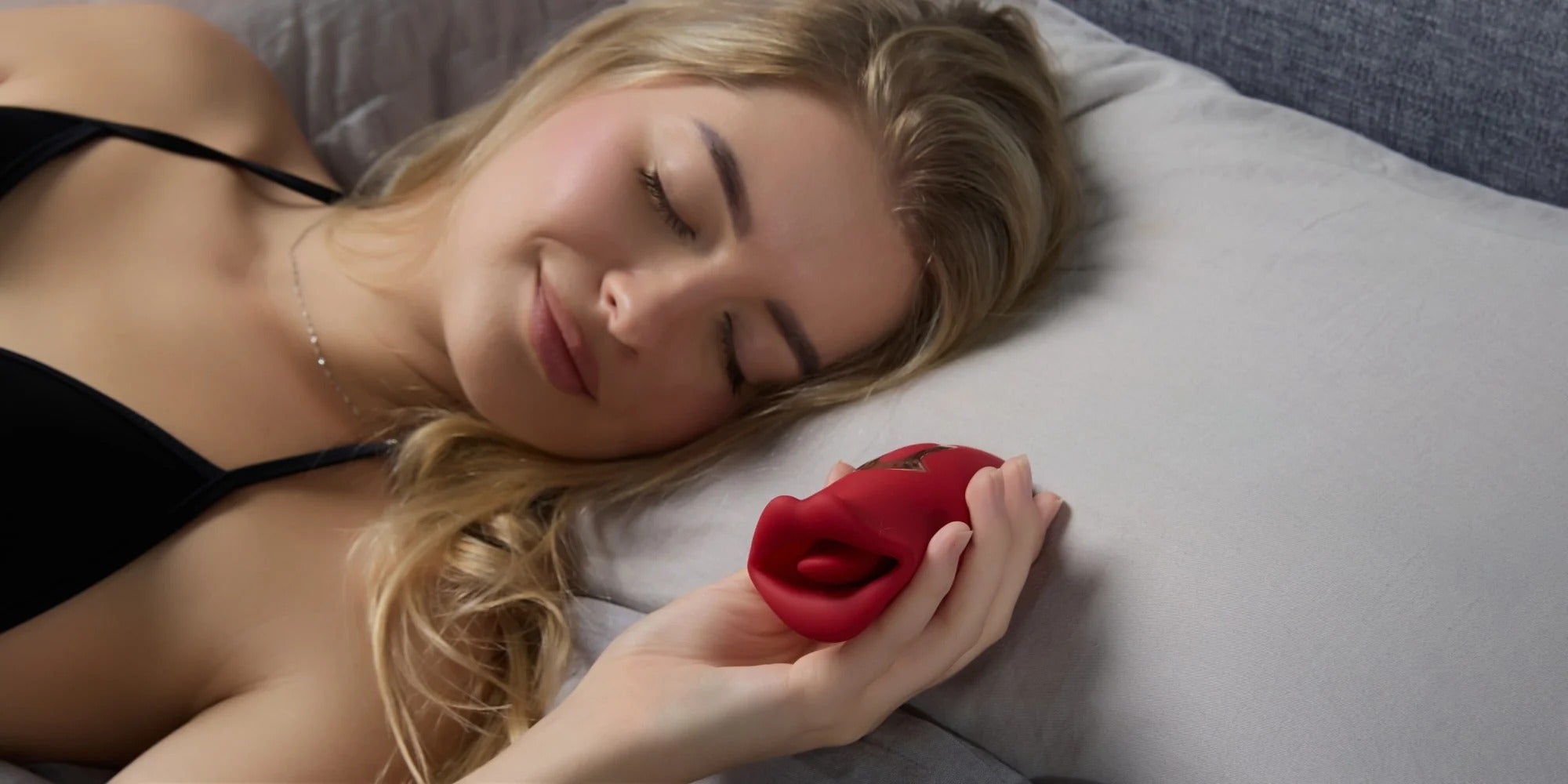
In this context, adult pleasure products are not trivial consumer goods. They function as tools of autonomy.
A vibrator does not rush you.
A toy does not require endurance.
A suction cup dildo does not decide when you are finished.
A clitoral stimulator does not demand synchronization.
For many women, exploring pleasure through their own bodies—without interruption or negotiation—is not escapism. It is rehearsal. It teaches what it feels like to set the speed, to stop, to continue, to choose.
This is not about replacing partners. It is about restoring agency.
Rethinking “Objective” Sexual Knowledge
If we treat Hippocrates as a historical figure rather than an authority, his theories reveal more about ancient Greek society than about eternal human nature. Women’s bodies were interpreted through male experience, male anxiety, and male control.
What was presented as objective science was, in reality, knowledge produced within a specific power structure—one that benefited men and constrained women.
This does not mean biology is irrelevant. It means biology is never interpreted in a vacuum.
The “truths” we inherit about sex—what is normal, what is natural, what is pleasurable—are built over time. They can be dismantled, rewritten, and re-experienced.
Pleasure as a Form of Standing Up
Women’s awakening does not begin with dominance or reversal. It begins with ownership.
Ownership of rhythm.
Ownership of desire.
Ownership of stopping.
Ownership of continuing.
Whether through partnered intimacy or personal exploration, reclaiming sexual tempo is one of the quietest yet most radical acts a woman can make. And in that sense, pleasure is never just pleasure. It is memory, resistance, and self-knowledge—felt, not declared.
The question is no longer who finishes last.
It is who decides when it begins, how it unfolds, and when it ends.